Buying a used car can be an excellent way to get a reliable vehicle at a fraction of the cost of a new one, but it also comes with unique challenges and potential pitfalls. Many buyers make common mistakes that can lead to expensive repairs, buyer's remorse, or even legal issues. Understanding these mistakes and how to avoid them is crucial for making a smart, informed purchase. This comprehensive guide will walk you through the top five mistakes buyers make when purchasing used vehicles and provide you with the knowledge and strategies needed to avoid them.
Mistake #1: Skipping the Professional Inspection
One of the most critical mistakes buyers make is failing to have a used vehicle professionally inspected before purchase. While a test drive and visual inspection can reveal obvious issues, many problems are hidden beneath the surface and require a trained eye and specialized equipment to detect.
A professional inspection typically costs between $100-200, which may seem like an unnecessary expense when you're trying to save money. However, this small investment can save you thousands of dollars in repairs and prevent you from purchasing a vehicle with serious hidden problems.
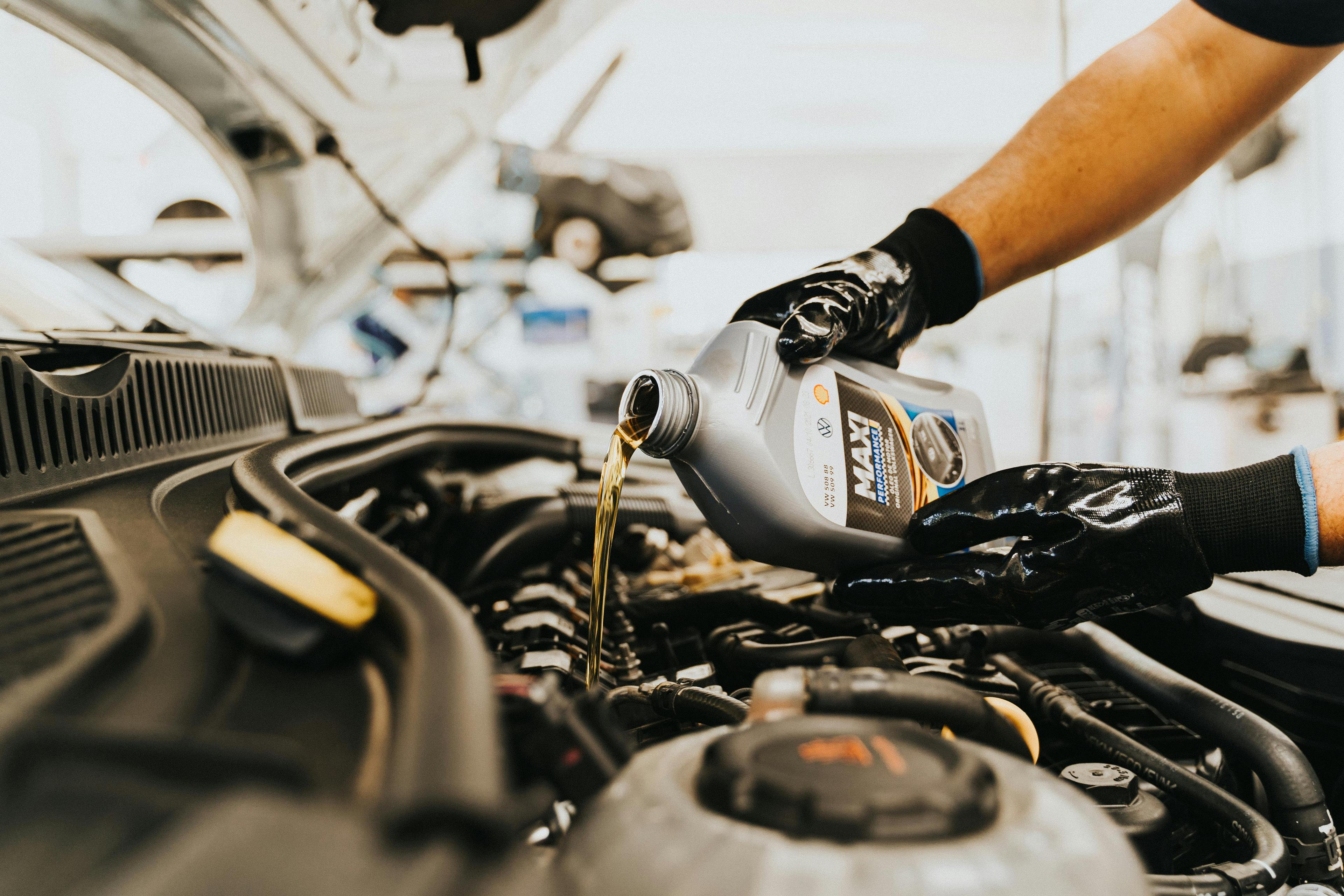
Professional inspectors can identify issues such as frame damage, engine problems, transmission issues, electrical system faults, and safety concerns that may not be apparent during a casual inspection. They have access to diagnostic equipment and databases that can reveal the vehicle's true condition.
When scheduling an inspection, choose a qualified mechanic or inspection service that specializes in the type of vehicle you're considering. Some services offer mobile inspections that can be performed at the seller's location, while others require the vehicle to be brought to their facility.
Always make the purchase contingent on a satisfactory inspection. This gives you an out if the inspection reveals problems, and it shows the seller that you're a serious buyer who takes the process seriously. Most reputable sellers will understand and accommodate this request.
Mistake #2: Not Checking the Vehicle History Report
Failing to obtain and review a comprehensive vehicle history report is another major mistake that can have serious consequences. A vehicle history report provides crucial information about the car's past that can help you make an informed decision.
Vehicle history reports reveal important details such as accident history, title problems, odometer readings, ownership history, and service records. This information can help you identify potential problems and verify the seller's claims about the vehicle's condition and history.
Even if the seller provides a vehicle history report, it's wise to obtain your own from a reputable service. Different services may have access to different databases and information sources, so getting multiple reports can provide a more complete picture.
Pay particular attention to red flags such as salvage titles, multiple accidents, odometer rollbacks, and frequent ownership changes. These issues can significantly impact the vehicle's value, reliability, and safety.
Remember that vehicle history reports are not infallible and may not contain all information about the vehicle's past. Some accidents, repairs, or maintenance may not be reported to the databases that compile these reports. However, they still provide valuable information that should not be ignored.
Mistake #3: Focusing Only on the Purchase Price
Many buyers make the mistake of focusing solely on the purchase price without considering the total cost of ownership. While getting a good deal on the initial purchase is important, it's just one factor in the overall cost of owning the vehicle.
Consider factors such as fuel efficiency, insurance costs, maintenance requirements, and potential repair costs. A vehicle with a lower purchase price may actually cost more to own if it has poor fuel economy, high insurance rates, or requires expensive maintenance.
Research the vehicle's reliability ratings and common problems. Some vehicles may have known issues that can result in expensive repairs down the road. Understanding these potential problems helps you make a more informed decision about the true cost of ownership.
Factor in the cost of any immediate repairs or maintenance that the vehicle may need. A vehicle that needs new tires, brakes, or other major components may not be the bargain it initially appears to be.
Consider the vehicle's depreciation rate and potential resale value. Some vehicles hold their value better than others, which can impact your total cost of ownership if you plan to sell the vehicle in the future.
Mistake #4: Rushing the Decision-Making Process
Buying a used car is a significant financial decision that should not be rushed. Many buyers make the mistake of feeling pressured to make a quick decision, often due to limited time, seller pressure, or the fear of losing a good deal.
Take your time to thoroughly research the vehicle, compare options, and evaluate your decision. Rushing into a purchase can lead to overlooking important details, missing better deals, or making emotional decisions that you may regret later.
Don't let seller pressure tactics rush you into a decision. Professional salespeople may use techniques such as creating urgency, offering limited-time deals, or suggesting that other buyers are interested in the same vehicle. These tactics are designed to push you into making a quick decision without proper consideration.
If you feel pressured or uncomfortable with the sales process, don't hesitate to walk away. There are always other vehicles and other sellers available. A good deal will still be there tomorrow, and taking the time to make the right decision is more important than making a quick one.
Consider sleeping on your decision before making a final commitment. This gives you time to think through the purchase rationally and discuss it with trusted friends or family members who can provide valuable perspective.
Mistake #5: Ignoring the Importance of a Test Drive
While this may seem obvious, many buyers either skip the test drive entirely or don't take it seriously enough. A thorough test drive is essential for evaluating the vehicle's condition, performance, and suitability for your needs.
A proper test drive should last at least 15-20 minutes and include various driving conditions such as city streets, highways, and different road surfaces. This allows you to evaluate the vehicle's performance in different situations and identify any issues that may not be apparent during a short drive.
During the test drive, pay attention to how the vehicle handles, accelerates, brakes, and rides. Listen for unusual noises, notice any warning lights or dashboard indicators, and evaluate the overall driving experience.
Test all the vehicle's features and systems, including the air conditioning, heating, audio system, navigation, and safety features. Ensure that all electronics and accessories are functioning properly and that you understand how to use them.
Don't be afraid to ask questions during the test drive or to request additional time if needed. A serious seller should be willing to accommodate reasonable requests and provide you with the information you need to make an informed decision.
Prevention Strategies: How to Avoid These Common Mistakes
Now that we've identified the top five mistakes, let's discuss strategies for avoiding them and ensuring a successful used car purchase experience.
Create a comprehensive checklist that includes all the steps you need to take before making a purchase. This should include research, inspection, test drive, financing, and documentation requirements. Following a checklist helps ensure you don't miss important steps in the process.
Set a realistic budget that includes not just the purchase price but also taxes, fees, insurance, and potential repair costs. Having a clear budget helps you avoid overspending and ensures you can afford the total cost of ownership.
Research multiple vehicles and sellers to compare options and prices. Don't limit yourself to just one vehicle or seller, as this can lead to making compromises or overpaying. Having multiple options gives you leverage in negotiations and helps you make a more informed decision.
Take your time throughout the process and don't let pressure tactics rush you into a decision. Remember that buying a used car is a significant investment, and taking the time to make the right decision is more important than making a quick one.

Conclusion: Making a Smart Used Car Purchase
Buying a used car can be a smart financial decision that provides excellent value, but it requires careful planning, research, and attention to detail. By avoiding the common mistakes outlined in this guide, you can significantly increase your chances of making a successful purchase.
Remember that knowledge is power when it comes to buying used vehicles. The more you know about the vehicle, the seller, and the buying process, the better position you'll be in to make an informed decision and avoid costly mistakes.
Take your time, do your homework, and don't be afraid to walk away from a deal that doesn't feel right. There are always other vehicles available, and making the right decision is more important than making a quick one.
By following the guidelines and strategies outlined in this guide, you'll be well-equipped to navigate the used car buying process successfully and avoid the common pitfalls that can lead to expensive mistakes and buyer's remorse.