Selling your car can be a rewarding experience that puts money back in your pocket, but it requires careful preparation to maximize your return and ensure a smooth transaction. Whether you're upgrading to a newer model, downsizing your fleet, or simply need the cash, proper preparation is the key to attracting serious buyers and getting the best possible price. This comprehensive step-by-step guide will walk you through everything you need to do to prepare your car for sale, from initial assessment to final presentation.
Step 1: Initial Assessment and Market Research
Before you begin the preparation process, it's essential to conduct a thorough assessment of your vehicle and understand the current market conditions. This foundation will guide all your subsequent preparation efforts and help you set realistic expectations.
Start by honestly evaluating your vehicle's current condition. Walk around the car and note any visible damage, wear, or issues that need attention. Be objective about the vehicle's strengths and weaknesses, as this will help you determine what repairs are worth making and what to disclose to potential buyers.
Research the current market value of your specific make, model, year, and trim level. Use online resources like Kelley Blue Book, Edmunds, and local classified ads to understand what similar vehicles are selling for in your area. Consider factors such as mileage, condition, and any special features that might affect the value.
Identify your target market and selling timeline. Are you looking to sell quickly for cash, or are you willing to wait for the right buyer who will pay top dollar? Understanding your priorities will help you determine how much time and money to invest in preparation.
Consider the season and timing of your sale. Some vehicles sell better at certain times of the year, and market conditions can fluctuate based on economic factors, new model releases, and seasonal demand patterns.
Step 2: Mechanical Preparation and Repairs
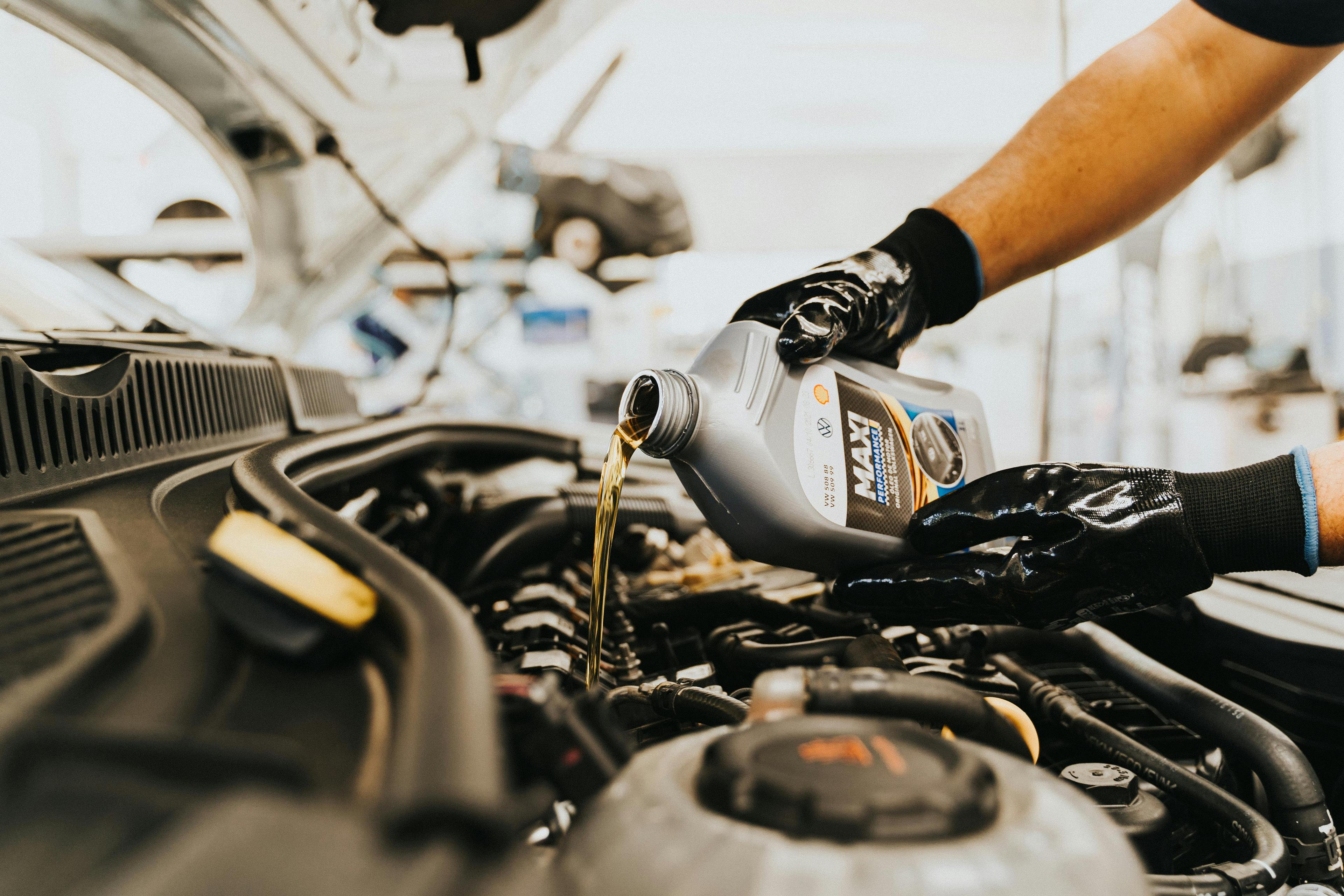
Addressing mechanical issues before listing your car for sale is crucial for attracting serious buyers and maximizing your selling price. While you don't need to fix every minor issue, addressing major problems can significantly improve your vehicle's appeal and value.
Schedule a comprehensive inspection with a trusted mechanic to identify any issues that need attention. This inspection should cover the engine, transmission, brakes, suspension, electrical systems, and safety features. The mechanic can provide you with a prioritized list of repairs based on importance and cost-effectiveness.
Focus on safety-related repairs first, as these are non-negotiable for most buyers. Issues such as brake problems, steering issues, or safety system malfunctions should be addressed immediately, as they can prevent a sale or significantly reduce the vehicle's value.
Consider the cost-benefit ratio of other repairs. Minor cosmetic issues like small dents or scratches may not be worth fixing if the cost exceeds the potential increase in selling price. However, major mechanical issues that could affect the vehicle's reliability should typically be addressed.
Keep all repair receipts and documentation. This shows potential buyers that the vehicle has been well-maintained and provides them with confidence about the vehicle's condition. A complete service history is a valuable selling point.
Step 3: Cosmetic Preparation and Cleaning
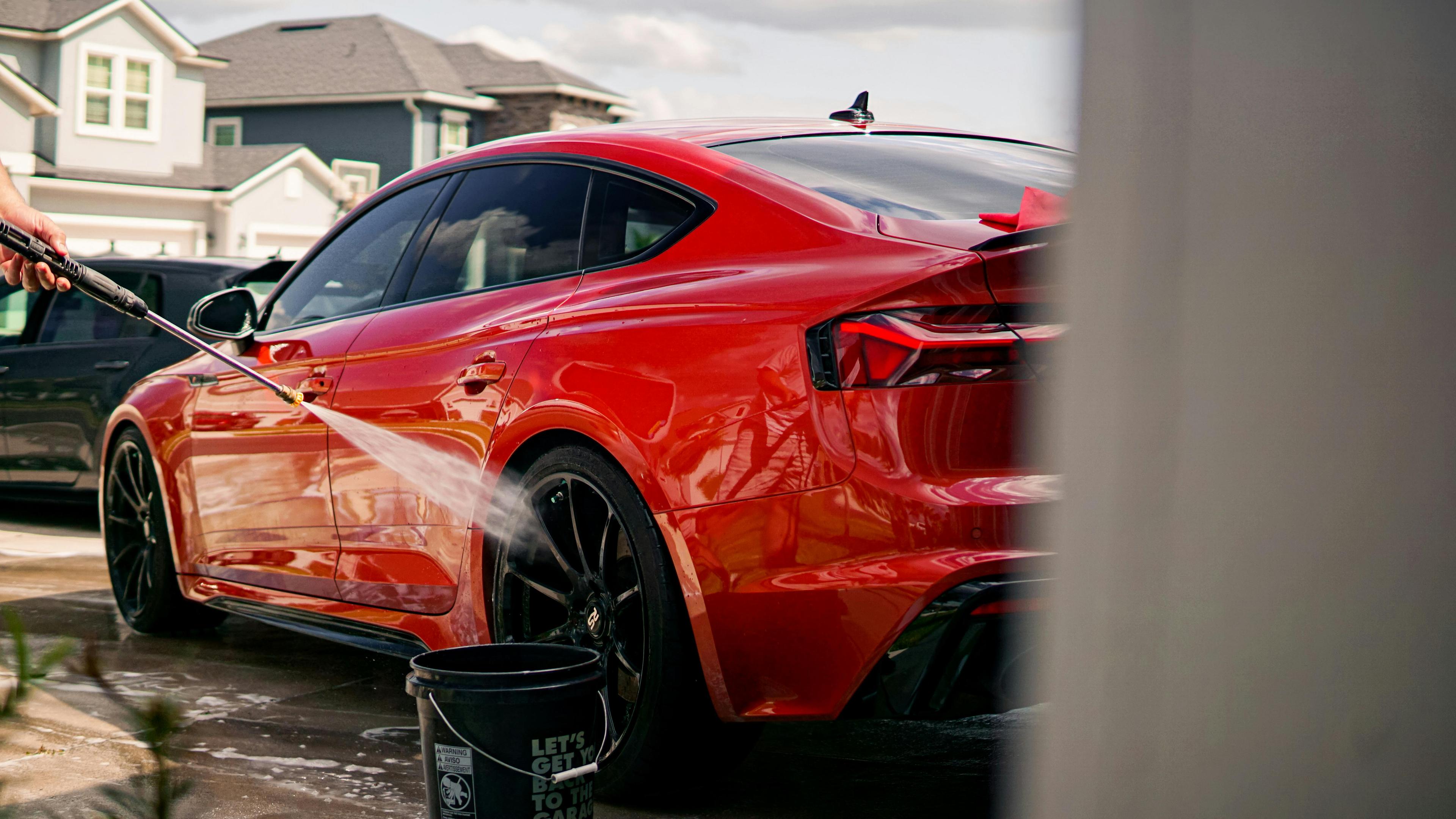
First impressions are crucial when selling a car, and cosmetic preparation can make a significant difference in how potential buyers perceive your vehicle. A clean, well-presented car suggests good maintenance and care, which can translate into higher offers.
Start with a thorough exterior cleaning. Wash the car thoroughly, paying attention to areas that are often overlooked such as the wheel wells, undercarriage, and door jambs. Remove any tar, tree sap, or other contaminants that may have accumulated on the paint surface.
Address any paint damage or rust issues. Small scratches and chips can often be touched up relatively inexpensively, while larger areas of damage may require professional attention. Rust should be addressed promptly, as it can spread and significantly reduce the vehicle's value.
Clean and detail the interior thoroughly. Remove all personal items, vacuum all surfaces, and clean the dashboard, console, and other hard surfaces. Pay special attention to areas that show wear, such as the steering wheel, gear shift, and door handles.
Consider professional detailing if your budget allows. Professional detailers can remove stains, restore faded surfaces, and make your vehicle look nearly new. This investment can often pay for itself through higher selling prices and faster sales.
Step 4: Documentation and Paperwork Preparation
Having all necessary documentation ready before listing your car for sale streamlines the process and builds confidence with potential buyers. Proper documentation shows that you're a serious seller and helps facilitate a smooth transaction.
Gather all maintenance and service records. This includes oil change receipts, repair invoices, and any warranty information. Organize these chronologically and make copies to show potential buyers. A complete service history is one of the most valuable selling points for a used vehicle.
Obtain a vehicle history report from a reputable service like Carfax or AutoCheck. This report provides potential buyers with important information about the vehicle's past, including accident history, ownership records, and maintenance information. Having this report available shows transparency and builds trust.
Prepare the vehicle's title and registration documents. Ensure that the title is clean and in your name, and that there are no liens or other encumbrances that could complicate the sale. If you have a loan on the vehicle, contact your lender to understand the payoff process.
Create a comprehensive vehicle description that highlights the car's features, condition, and maintenance history. This description should be honest and accurate, as misrepresenting the vehicle can lead to problems during the sale process.
Step 5: Pricing Strategy and Market Positioning
Setting the right price is one of the most critical aspects of selling your car successfully. Price it too high, and you may not attract any buyers; price it too low, and you're leaving money on the table. Finding the sweet spot requires careful research and strategy.
Research comparable vehicles in your area to understand the current market. Look at similar makes, models, years, and mileage ranges to see what prices are being asked and what vehicles are actually selling for. Online marketplaces, classified ads, and dealer listings can provide valuable pricing information.
Consider your vehicle's unique features and condition when setting the price. Factors such as low mileage, excellent condition, special features, or a complete service history can justify a higher price. Conversely, high mileage, damage, or mechanical issues may require a lower price to attract buyers.
Set a realistic asking price that gives you room to negotiate. Most buyers expect to negotiate, so setting your price slightly above your target selling price allows for this negotiation while still achieving your goals. A good rule of thumb is to set the asking price 5-10% above your target price.
Be prepared to adjust your price based on market response. If you're not receiving inquiries or offers after a reasonable period, consider lowering your price. Conversely, if you're receiving multiple inquiries quickly, you may be able to hold firm on your price or even increase it.
Step 6: Marketing and Presentation Strategy
Effective marketing and presentation can significantly impact how quickly your car sells and what price you receive. Professional presentation and strategic marketing can help your vehicle stand out from the competition and attract serious buyers.
Take high-quality photographs of your vehicle from multiple angles. Good photos are essential for online listings and can make the difference between a potential buyer clicking on your ad or passing it by. Take photos in good lighting, from various angles, and include shots of the interior, engine bay, and any special features.
Write a compelling and honest description of your vehicle. Highlight its best features, maintenance history, and any special characteristics that make it desirable. Be honest about any issues or wear, as transparency builds trust with potential buyers.
Choose the right platforms for your listing. Online marketplaces like Craigslist, Facebook Marketplace, and specialized automotive sites can reach a broad audience. Consider local classified ads, word-of-mouth marketing, and even social media to spread the word about your vehicle.
Prepare your vehicle for showings by keeping it clean and ready to drive at all times. You never know when a potential buyer might want to see the car, so maintaining its presentation quality is important throughout the selling process.
Step 7: Negotiation and Closing the Sale
The final steps of selling your car involve effective negotiation and proper closing procedures. Being prepared for these stages can help you achieve your desired price and ensure a smooth, legal transaction.
Be prepared for negotiations by knowing your bottom line and being willing to walk away if necessary. Don't let emotions cloud your judgment, and remember that there are always other buyers if the current one isn't willing to meet your terms.
Handle test drives professionally and safely. Always accompany potential buyers on test drives, and ensure they have a valid driver's license and insurance. Choose safe, appropriate routes for test drives and be prepared to answer questions about the vehicle's performance and features.
Complete the transaction properly by following all legal requirements in your area. This typically involves signing over the title, completing a bill of sale, and notifying your insurance company and the Department of Motor Vehicles about the transfer of ownership.
Consider accepting various forms of payment, but be cautious about scams. Cash, cashier's checks, and bank transfers are generally safe, but be wary of personal checks, money orders, or unusual payment arrangements that could be fraudulent.

Conclusion: Maximizing Your Car Sale Success
Preparing your car for sale is a comprehensive process that requires attention to detail, patience, and strategic thinking. By following the steps outlined in this guide, you can significantly increase your chances of selling your vehicle quickly and for the best possible price.
Remember that preparation is an investment that can pay significant dividends. The time and money you spend preparing your vehicle for sale can result in higher offers, faster sales, and smoother transactions. A well-prepared vehicle stands out in the market and attracts serious buyers.
Stay flexible and be prepared to adjust your strategy based on market conditions and buyer feedback. The car selling process can be dynamic, and successful sellers are those who can adapt to changing circumstances while maintaining their goals and standards.
By taking a systematic approach to preparing your car for sale, you'll not only maximize your financial return but also ensure a positive experience for both you and the buyer. The effort you put into preparation will be reflected in the results you achieve.