Regular car maintenance is often viewed as an unnecessary expense by many vehicle owners, but this couldn't be further from the truth. In reality, investing in routine maintenance is one of the smartest financial decisions you can make as a car owner. The cost of preventive maintenance pales in comparison to the thousands of dollars you might spend on major repairs that could have been avoided. This comprehensive guide will show you exactly how regular maintenance can save you significant money while ensuring your vehicle remains reliable and safe for years to come.
The Cost of Neglect: Why Skipping Maintenance is Expensive
When you skip regular maintenance, you're essentially playing a dangerous game of chance with your vehicle's health. What starts as a small, easily fixable issue can quickly escalate into a major problem that costs thousands to repair. For example, neglecting to change your oil regularly can lead to engine sludge buildup, which can cause severe engine damage requiring a complete engine replacement costing anywhere from $3,000 to $8,000 or more.
Similarly, ignoring brake maintenance can result in worn brake pads damaging the rotors, turning a simple $200 brake pad replacement into a $600+ rotor and pad replacement. Transmission fluid changes, which cost around $150-200, can prevent transmission failure that would cost $2,000-4,000 to repair or replace. These are just a few examples of how neglecting maintenance can exponentially increase repair costs.
The financial impact extends beyond just repair costs. Poorly maintained vehicles typically have lower fuel efficiency, meaning you spend more on gas. They also depreciate faster, reducing your vehicle's resale value. Additionally, breakdowns can result in towing fees, rental car costs, and lost time from work, all of which add to the total cost of neglect.
Essential Maintenance Tasks That Prevent Major Repairs
Understanding which maintenance tasks are crucial and when to perform them is key to preventing expensive repairs. Let's break down the most important maintenance items and their recommended intervals:
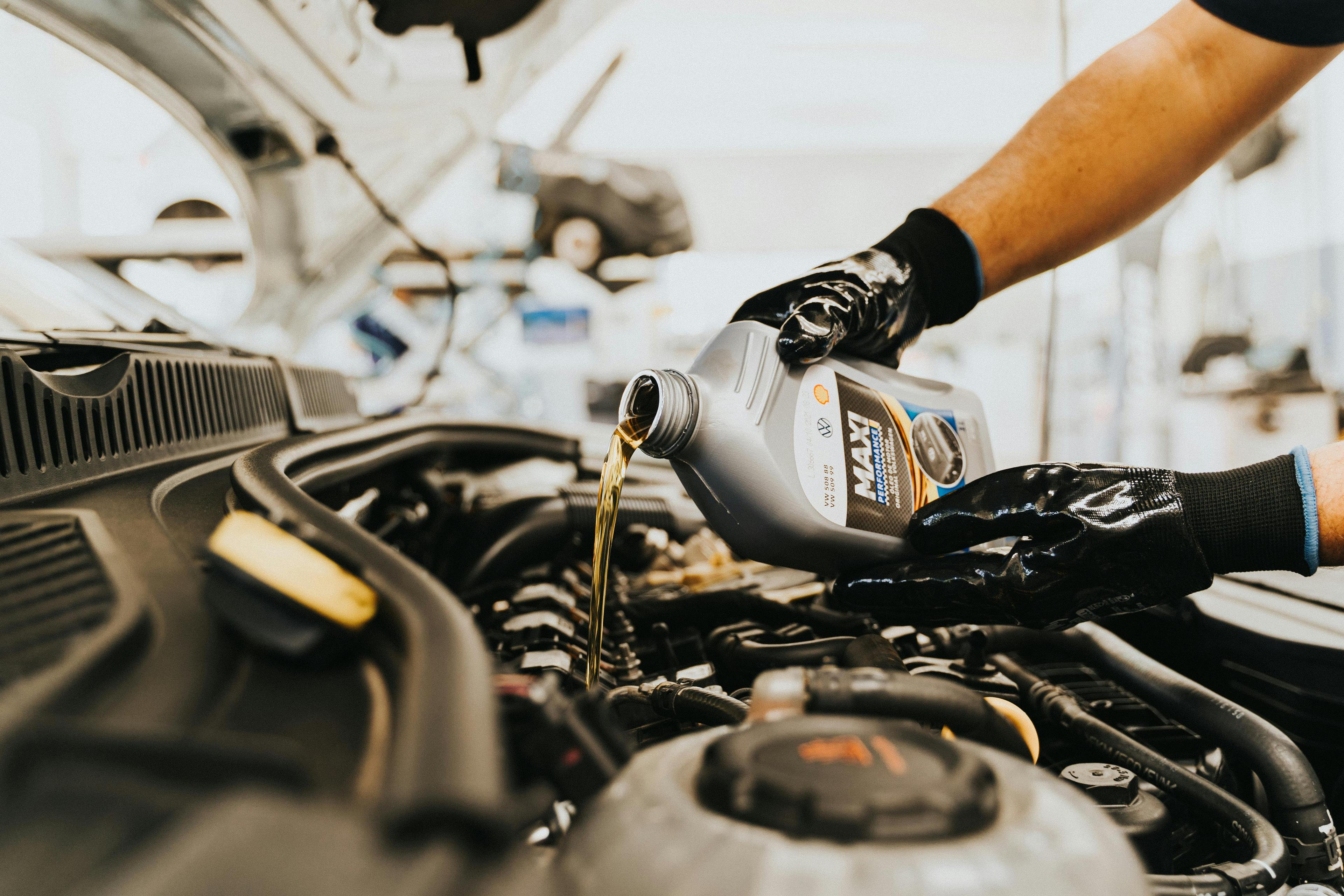
Oil Changes: The lifeblood of your engine, oil should be changed every 3,000-7,500 miles depending on your vehicle and oil type. Regular oil changes prevent engine wear, improve fuel efficiency, and extend engine life. The cost of an oil change ($30-80) is minimal compared to engine repairs.
Brake System Maintenance: Brake pads should be inspected every 10,000-20,000 miles and replaced when worn. Brake fluid should be changed every 2-3 years. Regular brake maintenance ensures your safety and prevents damage to more expensive components like rotors and calipers.
Tire Maintenance: Regular tire rotations (every 6,000-8,000 miles), proper inflation, and timely replacements prevent uneven wear and improve handling. Well-maintained tires also improve fuel efficiency and reduce the risk of blowouts.
Transmission Service: Automatic transmissions require fluid changes every 30,000-60,000 miles. This simple service can prevent transmission failure, which is one of the most expensive repairs a vehicle can need.
Cooling System Maintenance: Regular coolant changes and radiator inspections prevent overheating, which can cause catastrophic engine damage. The cooling system should be serviced every 30,000-50,000 miles.
Long-Term Benefits of Regular Maintenance
The benefits of regular maintenance extend far beyond just preventing expensive repairs. A well-maintained vehicle provides numerous advantages that make the investment worthwhile:
Extended Vehicle Lifespan: Regular maintenance can extend your vehicle's life by several years. While the average car might last 150,000-200,000 miles with minimal maintenance, a well-maintained vehicle can easily reach 300,000+ miles. This means you can delay the need for a new car purchase, saving tens of thousands of dollars.
Improved Fuel Efficiency: A properly maintained engine runs more efficiently, saving you money on fuel costs. Regular tune-ups, clean air filters, and proper tire inflation can improve fuel economy by 3-10%, which adds up to significant savings over time.
Better Resale Value: When it comes time to sell your vehicle, a well-maintained car with complete service records will command a much higher price than a neglected one. The difference can be thousands of dollars, making maintenance an investment that pays off when you sell.
Enhanced Safety: Regular maintenance ensures that critical safety systems like brakes, steering, and suspension are functioning properly. This reduces the risk of accidents and keeps you and your passengers safe on the road.
Peace of Mind: Knowing your vehicle is well-maintained provides confidence and reduces stress. You won't have to worry about unexpected breakdowns or expensive repairs, allowing you to focus on other aspects of your life.
Creating a Maintenance Schedule That Works for You
To maximize the benefits of regular maintenance, it's important to create and follow a maintenance schedule tailored to your specific vehicle and driving habits. Here's how to develop an effective maintenance plan:
Start by consulting your vehicle's owner's manual, which contains the manufacturer's recommended maintenance schedule. This schedule is designed specifically for your vehicle model and takes into account its unique requirements and characteristics.
Consider your driving conditions when adjusting the maintenance schedule. If you frequently drive in stop-and-go traffic, tow heavy loads, or drive in extreme weather conditions, you may need more frequent maintenance than the standard schedule suggests.
Keep detailed records of all maintenance performed, including dates, mileage, and what was done. This documentation is valuable for warranty purposes, resale value, and ensuring you don't miss important maintenance items.
Set reminders for upcoming maintenance tasks using your phone's calendar, maintenance apps, or the service center's reminder system. This helps ensure you don't forget important maintenance items.

Conclusion: Making Maintenance a Priority
Regular car maintenance is not just an expense—it's an investment in your vehicle's future and your financial well-being. While it may seem like an unnecessary cost in the short term, the long-term benefits far outweigh the initial investment.
By following a regular maintenance schedule, you can prevent costly repairs, extend your vehicle's lifespan, improve fuel efficiency, maintain safety, and preserve resale value. The money you spend on maintenance today will save you thousands of dollars in repairs tomorrow.
Remember, the key to successful maintenance is consistency. Don't wait until something breaks to address it. Instead, be proactive about your vehicle's care, and you'll enjoy the benefits of a reliable, efficient, and valuable vehicle for years to come.
Start today by scheduling your next maintenance appointment and creating a maintenance schedule that works for your lifestyle. Your future self—and your wallet—will thank you for making maintenance a priority.