Car maintenance is often viewed as an optional expense that can be delayed or ignored, but this approach can lead to significantly higher costs in the long run. Many vehicle owners make common maintenance mistakes that not only reduce their car's performance and reliability but also result in expensive repairs that could have been prevented. Understanding these mistakes and learning how to avoid them is crucial for protecting your investment and ensuring your vehicle provides years of reliable service. This comprehensive guide will walk you through the ten most common car maintenance mistakes and provide you with the knowledge needed to prevent them.
Mistake #1: Neglecting Regular Oil Changes
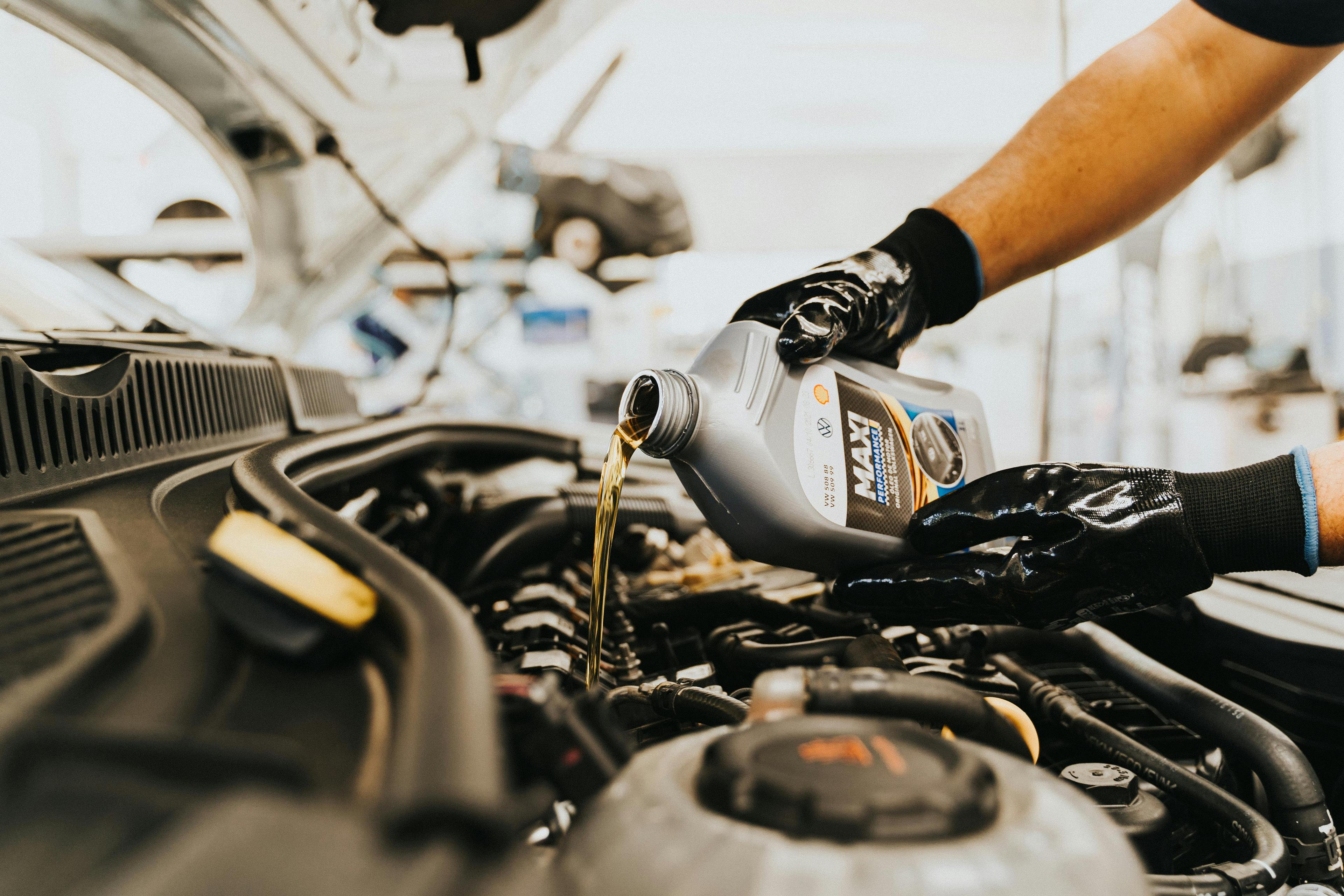
One of the most critical maintenance tasks that many car owners neglect is regular oil changes. Engine oil is the lifeblood of your vehicle's engine, providing lubrication, cooling, and cleaning functions that are essential for proper operation.
When oil is not changed regularly, it becomes contaminated with dirt, metal particles, and other debris that can cause significant engine damage. Over time, the oil breaks down and loses its lubricating properties, leading to increased friction and wear on engine components.
The cost of neglecting oil changes can be substantial. A simple oil change typically costs between $30-80, while engine damage caused by poor lubrication can result in repairs costing thousands of dollars. In severe cases, engine replacement may be necessary, which can cost $3,000-8,000 or more.
Follow your vehicle manufacturer's recommended oil change intervals, which are typically every 3,000-7,500 miles depending on your driving conditions and oil type. If you frequently drive in severe conditions such as stop-and-go traffic, extreme temperatures, or dusty environments, you may need more frequent oil changes.
Use the correct type and grade of oil recommended for your vehicle. Using the wrong oil can affect engine performance and potentially cause damage. Check your owner's manual or consult with a qualified mechanic to determine the appropriate oil for your specific vehicle.
Mistake #2: Ignoring Dashboard Warning Lights
Modern vehicles are equipped with sophisticated warning systems designed to alert drivers to potential problems before they become serious. Unfortunately, many drivers ignore these warning lights or delay addressing the issues they indicate.
Dashboard warning lights can indicate a wide range of problems, from minor issues like low tire pressure to serious problems like engine overheating or brake system failure. Ignoring these warnings can lead to more extensive damage and higher repair costs.
The check engine light, for example, can indicate problems with the engine, transmission, emissions system, or other critical components. While the vehicle may continue to run, the underlying problem can cause additional damage if not addressed promptly.
Address warning lights as soon as possible by having your vehicle diagnosed by a qualified mechanic. Many auto parts stores offer free diagnostic services that can help identify the specific problem indicated by the check engine light.
Keep a record of any warning lights that appear and have them addressed promptly. Regular attention to these warnings can prevent minor issues from developing into major problems that require expensive repairs.
Mistake #3: Neglecting Tire Maintenance
Tires are the only point of contact between your vehicle and the road, making their maintenance crucial for safety, performance, and fuel efficiency. Unfortunately, many drivers neglect basic tire maintenance tasks that can lead to premature wear and safety issues.
Proper tire inflation is essential for optimal performance and safety. Underinflated tires can reduce fuel efficiency, cause uneven wear, and increase the risk of blowouts. Overinflated tires can reduce traction and cause premature wear in the center of the tire.
Check your tire pressure at least once a month and before long trips. Use a reliable tire pressure gauge and inflate your tires to the pressure recommended by the vehicle manufacturer, which is typically found on a sticker in the driver's door jamb or in the owner's manual.
Regular tire rotation is another important maintenance task that many drivers overlook. Tire rotation helps ensure even wear across all four tires, extending their lifespan and improving vehicle handling. Most manufacturers recommend rotating tires every 6,000-8,000 miles.
Monitor tire tread depth and replace tires when they become worn. Worn tires significantly reduce traction, especially in wet conditions, and can increase stopping distances. Most tires have wear indicators that appear when the tread depth reaches the minimum safe level.
Mistake #4: Using the Wrong Type of Fuel
Using the wrong type of fuel for your vehicle can cause significant damage to the engine and fuel system. While most vehicles are designed to run on regular unleaded gasoline, some require premium fuel or have specific fuel requirements.
Check your owner's manual to determine the recommended fuel type for your vehicle. Using a lower octane fuel than recommended can cause engine knocking, reduced performance, and potential engine damage over time.
Conversely, using premium fuel in a vehicle designed for regular fuel is generally unnecessary and wastes money. Premium fuel costs more but provides no benefit unless your vehicle specifically requires it.
Be aware of ethanol content in fuel, especially if you have an older vehicle. Many modern vehicles can handle ethanol-blended fuels, but some older vehicles may experience problems with high ethanol content fuels.
If you accidentally use the wrong fuel type, don't start the engine. Contact a qualified mechanic or towing service to have the fuel system drained and refilled with the correct fuel type.
Mistake #5: Neglecting Brake System Maintenance
The brake system is one of the most critical safety systems in your vehicle, yet many drivers neglect its maintenance until problems become apparent. Regular brake system maintenance is essential for safety and can prevent expensive repairs.
Brake pads and rotors wear over time and need to be replaced periodically. Worn brake pads can damage the rotors, turning a simple pad replacement into a more expensive rotor replacement as well.
Brake fluid should be checked regularly and replaced according to the manufacturer's recommendations. Brake fluid can absorb moisture over time, which can reduce its effectiveness and potentially cause brake system failure.
Pay attention to warning signs of brake problems, such as squealing or grinding noises, reduced braking performance, or a soft brake pedal. These symptoms indicate that brake maintenance is needed and should be addressed promptly.
Have your brake system inspected regularly by a qualified mechanic, especially if you notice any unusual symptoms or if it's been more than a year since your last brake inspection.
Mistake #6: Ignoring Air Filter Replacement
The air filter plays a crucial role in protecting your engine from dirt and debris while ensuring proper air flow for combustion. A dirty or clogged air filter can significantly impact engine performance and fuel efficiency.
A dirty air filter restricts air flow to the engine, which can cause reduced power, poor acceleration, and increased fuel consumption. In severe cases, it can even cause engine damage by allowing contaminants to enter the engine.
Check your air filter regularly and replace it when it becomes dirty or according to the manufacturer's recommended interval. Air filter replacement is a simple and inexpensive maintenance task that can have a significant impact on your vehicle's performance.
The frequency of air filter replacement depends on your driving conditions. If you frequently drive in dusty or polluted environments, you may need to replace the air filter more often than the standard recommendation.
Consider using a high-quality air filter that provides better filtration and longer service life. While these filters may cost more initially, they can provide better protection for your engine and may last longer than standard filters.
Mistake #7: Neglecting Coolant System Maintenance
The cooling system is essential for preventing engine overheating and maintaining optimal operating temperatures. Neglecting coolant system maintenance can lead to serious engine damage and expensive repairs.
Coolant should be checked regularly and replaced according to the manufacturer's recommendations. Over time, coolant can become contaminated and lose its effectiveness at preventing corrosion and maintaining proper temperature regulation.
Check for coolant leaks regularly, as even small leaks can lead to low coolant levels and potential overheating. Look for signs of coolant under your vehicle or in the engine compartment, and address any leaks promptly.
Never use plain water in your cooling system unless it's an emergency. Water does not provide the same protection against freezing, boiling, and corrosion that proper coolant provides.
Have your cooling system inspected regularly, especially before long trips or during seasonal maintenance. A qualified mechanic can check for leaks, test the thermostat, and ensure the system is functioning properly.
Mistake #8: Skipping Transmission Service
The transmission is one of the most complex and expensive components in your vehicle, yet many drivers neglect its maintenance until problems develop. Regular transmission service can prevent costly repairs and extend the life of your transmission.
Automatic transmissions require regular fluid changes to maintain proper operation. Transmission fluid can become contaminated with metal particles and other debris over time, which can cause wear and damage to transmission components.
Follow your vehicle manufacturer's recommended transmission service intervals, which are typically every 30,000-60,000 miles depending on your driving conditions and vehicle type.
Pay attention to signs of transmission problems, such as slipping, rough shifting, or unusual noises. These symptoms indicate that transmission service or repair may be needed and should be addressed promptly.
Use the correct type of transmission fluid recommended for your vehicle. Using the wrong fluid can cause transmission damage and void your warranty.
Mistake #9: Neglecting Battery Maintenance
The battery is essential for starting your vehicle and powering electrical systems, yet many drivers don't think about battery maintenance until their car won't start. Regular battery maintenance can prevent unexpected failures and extend battery life.
Check your battery terminals regularly for corrosion and clean them as needed. Corrosion can prevent proper electrical contact and cause starting problems or electrical system issues.
Test your battery regularly, especially if it's more than three years old. Many auto parts stores offer free battery testing services that can help identify potential problems before they cause a failure.
Ensure your battery is properly secured and that the connections are tight. Loose connections can cause electrical problems and potentially damage your vehicle's electrical system.
Consider replacing your battery if it's more than five years old, even if it's still working. Batteries can fail suddenly, and replacing an old battery before it fails can prevent inconvenient breakdowns.
Mistake #10: Failing to Follow the Maintenance Schedule
Every vehicle comes with a recommended maintenance schedule designed to ensure optimal performance, reliability, and longevity. Failing to follow this schedule is one of the most common and costly maintenance mistakes.
The maintenance schedule is based on extensive testing and engineering analysis to determine the optimal intervals for various maintenance tasks. Following this schedule helps prevent problems and ensures your vehicle operates at peak efficiency.
Keep a maintenance log to track when various services were performed. This helps ensure you don't miss important maintenance tasks and provides valuable information for future service and potential warranty claims.
Consider the driving conditions when following the maintenance schedule. Severe driving conditions such as frequent short trips, extreme temperatures, or dusty environments may require more frequent maintenance than the standard schedule.
Don't skip maintenance tasks to save money in the short term. The cost of preventive maintenance is typically much lower than the cost of repairs that could have been prevented.
Prevention Strategies: How to Avoid These Costly Mistakes
Now that we've identified the ten most common car maintenance mistakes, let's discuss strategies for avoiding them and maintaining your vehicle properly.
Create a maintenance schedule and stick to it. Use your vehicle's owner's manual as a guide and set reminders for important maintenance tasks. Many smartphone apps and online services can help you track maintenance schedules and send reminders.
Build a relationship with a trusted mechanic or service center. Having a qualified professional who knows your vehicle and its history can help ensure proper maintenance and catch potential problems early.
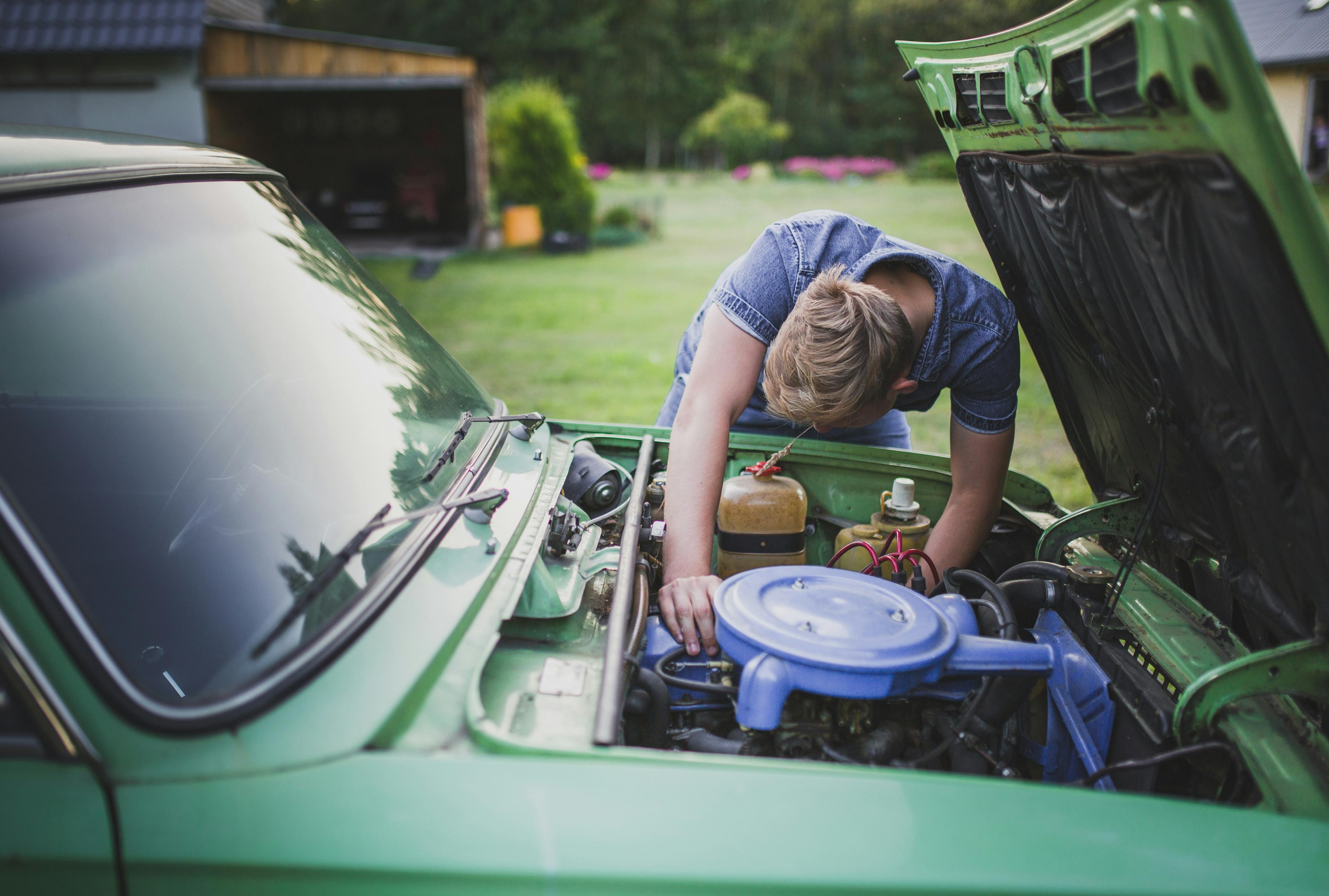
Learn to perform basic maintenance tasks yourself. Simple tasks like checking tire pressure, changing air filters, and checking fluid levels can be done at home and can save you money while helping you stay on top of maintenance.
Keep detailed records of all maintenance performed. This includes receipts, service records, and any notes about problems or repairs. This information is valuable for warranty claims, resale value, and future maintenance planning.

Conclusion: Investing in Proper Maintenance
Proper car maintenance is an investment that pays significant dividends in terms of reliability, performance, and long-term value. By avoiding the common mistakes outlined in this guide, you can save money, extend your vehicle's life, and ensure safe, reliable transportation.
Remember that preventive maintenance is always less expensive than reactive repairs. The small investments you make in regular maintenance can prevent major problems that could cost thousands of dollars to fix.
Take a proactive approach to vehicle maintenance by following the manufacturer's recommendations, addressing problems promptly, and staying informed about your vehicle's specific needs. This approach will help you avoid costly mistakes and enjoy years of reliable service from your vehicle.
By implementing the strategies and avoiding the mistakes discussed in this guide, you'll not only save money on repairs but also ensure that your vehicle provides safe, reliable transportation for years to come.